Bathroom Decor: Elevate Your Space with Style
Why bathroom decor matters
Creating a thoughtful bathroom decor goes beyond aesthetics; it shapes comfort, function, and the space's longevity. With a decade of experience in interior optimization, this guide shares actionable strategies to elevate your bathroom decor while preserving resale value and accessibility.
Color palettes and textures
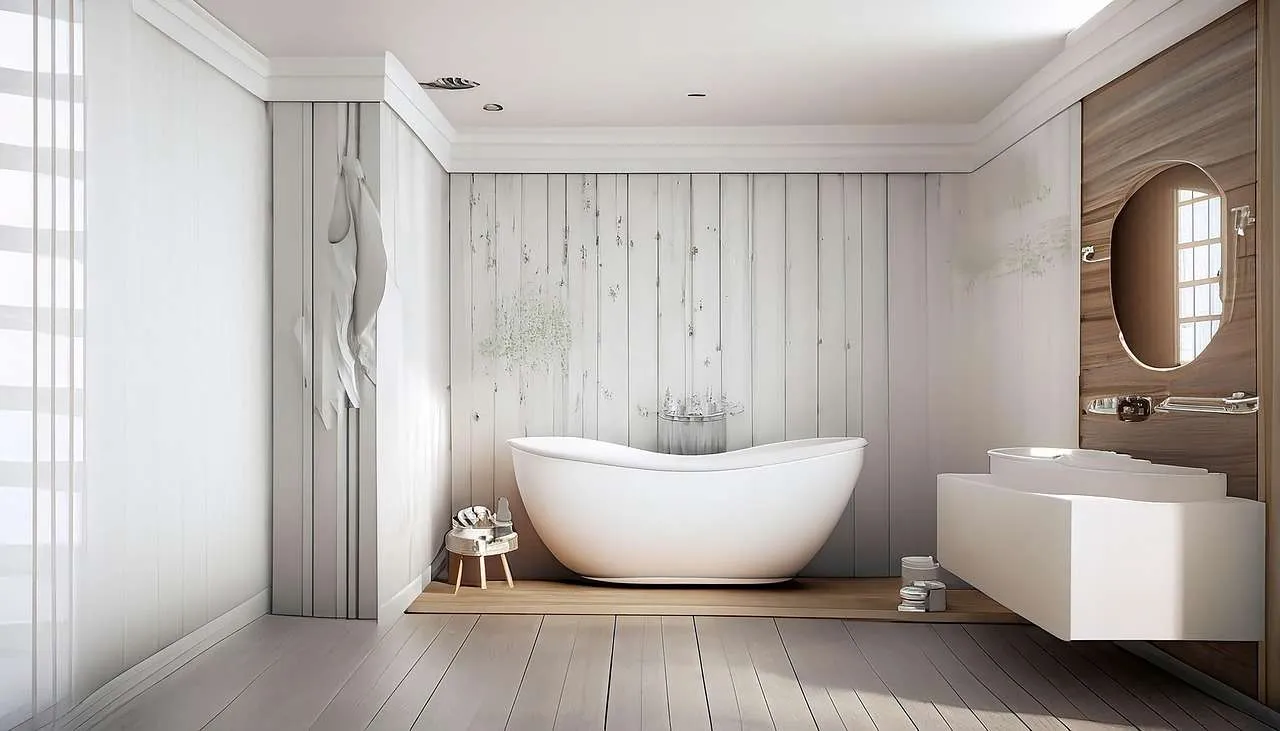
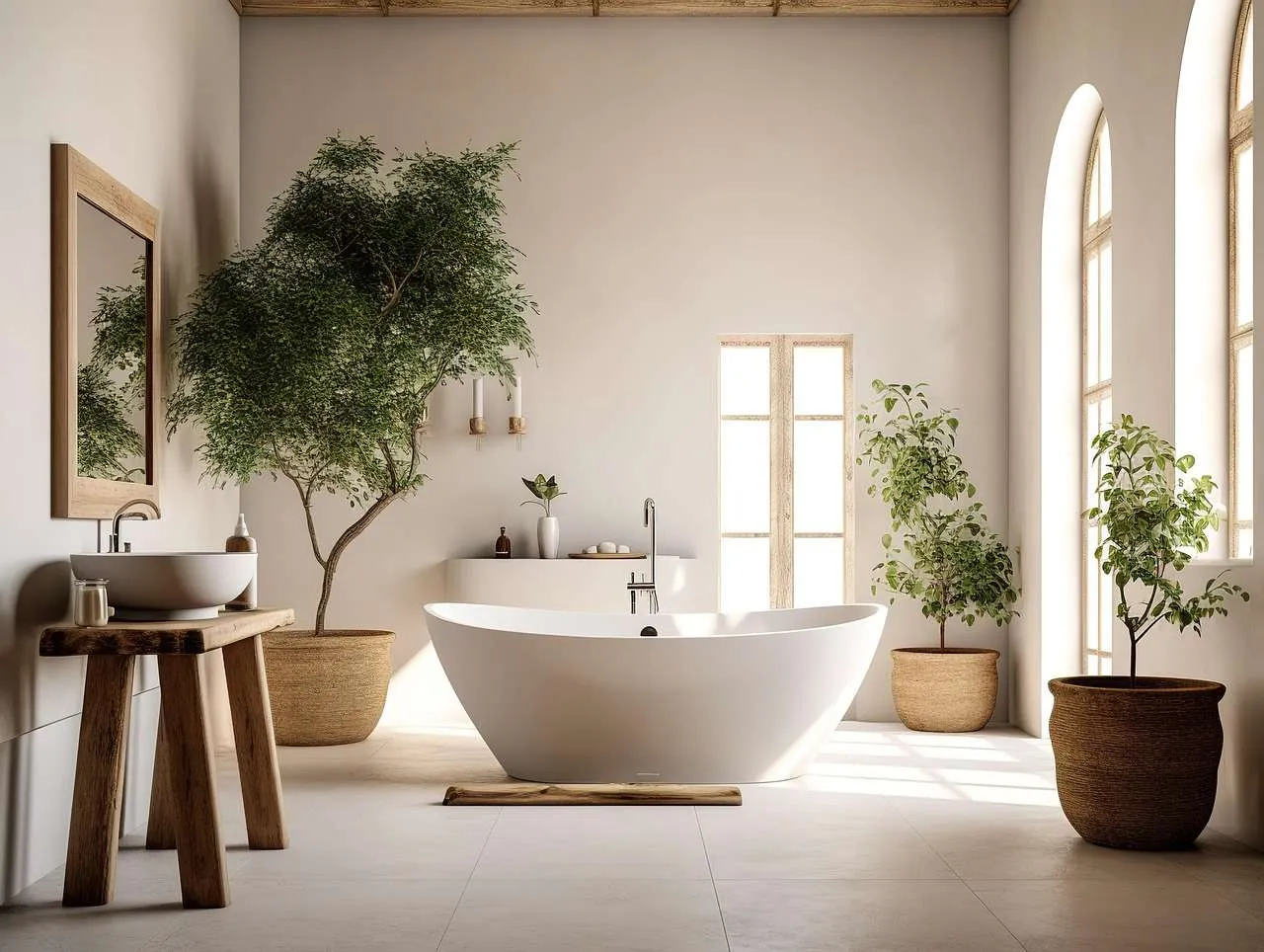
Color sets define mood and perceived space. For most bathrooms, start with a base of warm neutrals or cool whites and introduce texture through tile, linen, and natural materials. Limit the primary colors to two or three and use accents to highlight personality. A soft sage, warm beige, or cool stone gray can pair with wood, stone, or glass for balance. Texture adds depth even in small spaces; choose matte fixtures, woven baskets, and tactile tiles to avoid flatness.
Texture and accents
Incorporate texture with large format porcelain or ceramic tiles, pebble mats, and organic towels. Metals can tie the room together; choose one finish for faucets and hardware to maintain cohesion.
Materials that stand the test of time
Durable materials stand up to humidity and daily use. Porcelain and ceramic tiles resist water and are easy to clean. Natural stone offers luxury but requires sealing and maintenance. Quartz countertops and solid surface vanities are resilient and non porous. For fixtures, brushed nickel, matte black, or warm brass create different moods; pick one finish and carry it consistently across faucets, towel bars, and mirrors to avoid visual clutter.
Lighting and hardware
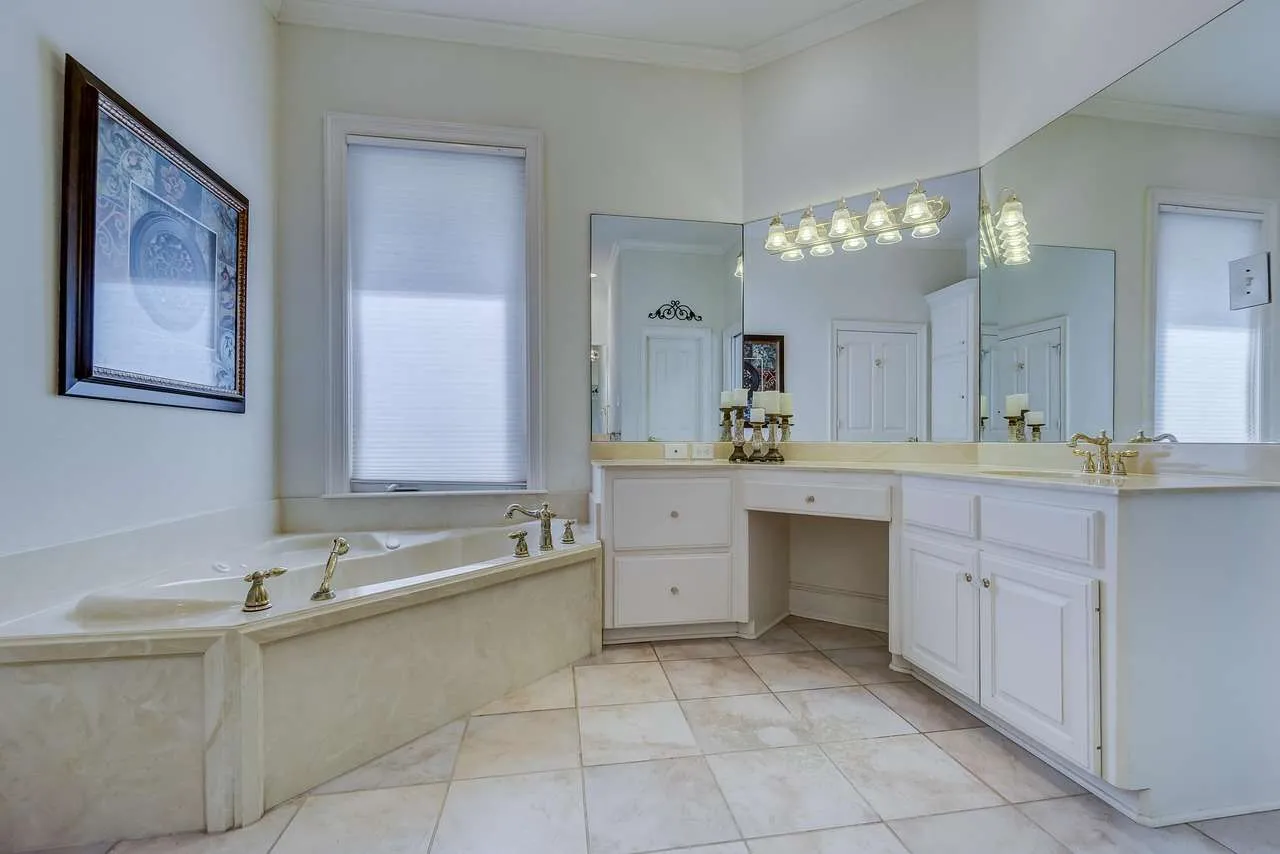
Layered lighting is essential. Combine ambient ceiling light with task lighting near mirrors and accent lighting to highlight textures. Aim for warm white lighting in the range of 2700-3000K for a welcoming bathroom ambience. Choose finishes that reflect your overall style and ensure the lighting is dimmable for evenings. Consistency in hardware finishes helps unify the decor.
Layout, space, and storage
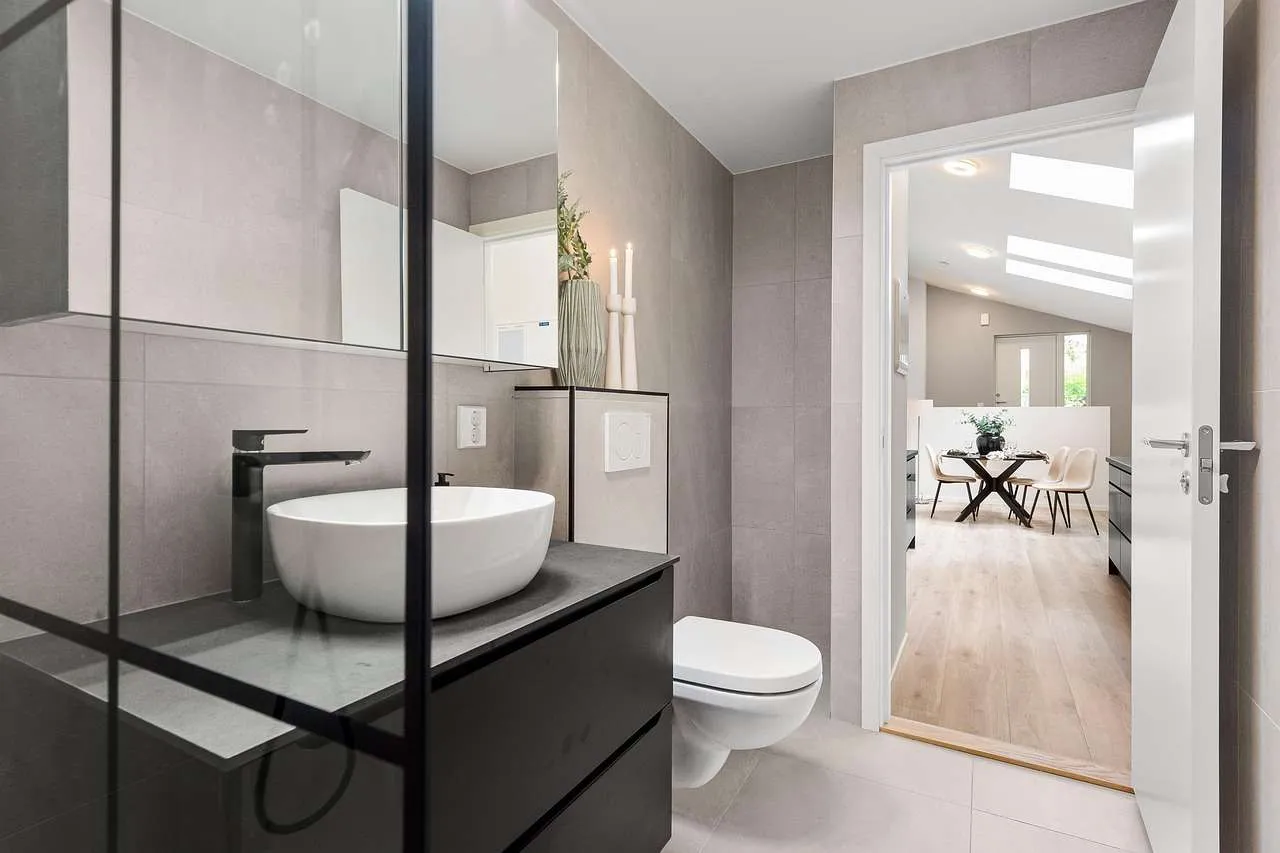
In small bathrooms, wall mounted vanities, recessed niches, and glass shower enclosures create openness. Floating shelves keep surfaces clear; mirrors with built in lighting expand the sense of space. Add vertical storage like tall cabinets to maximize unused wall area. A well planned layout reduces clutter and makes daily routines smoother.
Budgeting and sustainable choices
Plan before buying. Identify one or two high impact upgrades and one or two accessories. Prioritize water saving fixtures such as low flow toilets and aerated faucets. Choose durable, low maintenance materials; consider recycled glass tiles or certified wood. A well executed update pays off in both comfort and resale value, while sustainable choices contribute to a healthier home environment.
Style comparison
| Style | Key Features | Pros | Cons |
|---|---|---|---|
| Minimalist | Clean lines, limited color palette, hidden storage | Timeless look, easy maintenance | Can feel sterile without warmth |
| Scandinavian | Light woods, soft textiles, practical layouts | Bright and inviting, functional | Moisture control needed for wood elements |
| Spa inspired | Natural materials, muted tones, calm textures | Relaxing retreat, durable surfaces | Higher cost and maintenance |
| Vintage inspired | Brass accents, classic tiles, character pieces | Unique charm, resale appeal | Could clash with modern systems if not coordinated |
Practical steps to transform your bathroom
Start with a plan. Define the mood you want to achieve, collect sample tiles and fabrics, and build a small mood board. Focus on a primary color, a signature material, and one statement piece such as a mirror or lighting fixture. If budget allows, upgrade critical elements first: the vanity, tile around the shower, and lighting. Finally, layer textures with towels, baskets, and plants to soften the space.
Summary: This article provides a practical approach to bathroom decor, covering color palettes, materials, lighting, storage, budgeting, and style comparisons to help you craft a cohesive, durable space.