Bathroom Tile: Styles, Installation, and Maintenance
Choosing the right bathroom tile is more than a design decision; it is a long-term investment in durability, cleanliness, and comfort. The best bathroom tile handles moisture, resists staining, and complements your lighting and fixtures. As a seasoned guide, this article covers practical considerations from material choices and installation basics to maintenance and style ideas, helping homeowners and designers make informed decisions.
Understanding bathroom tile types
Porcelain and ceramic tiles are the workhorses of most bathrooms. Porcelain is a dense, highly durable ceramic with very low water absorption, making it ideal for floors and shower enclosures. Ceramic tiles are more affordable and come in countless colors and patterns, but they are generally more porous than porcelain and require proper grout sealing in wet areas.
Porcelain vs ceramic
Porcelain has a water absorption rate of 0.5 percent or less, which reduces staining and reduces swelling or cracking with temperature changes. Ceramic tiles have higher absorption but still perform well with appropriate sealing and maintenance. Consider your budget, foot traffic, and maintenance tolerance when choosing.
Other options
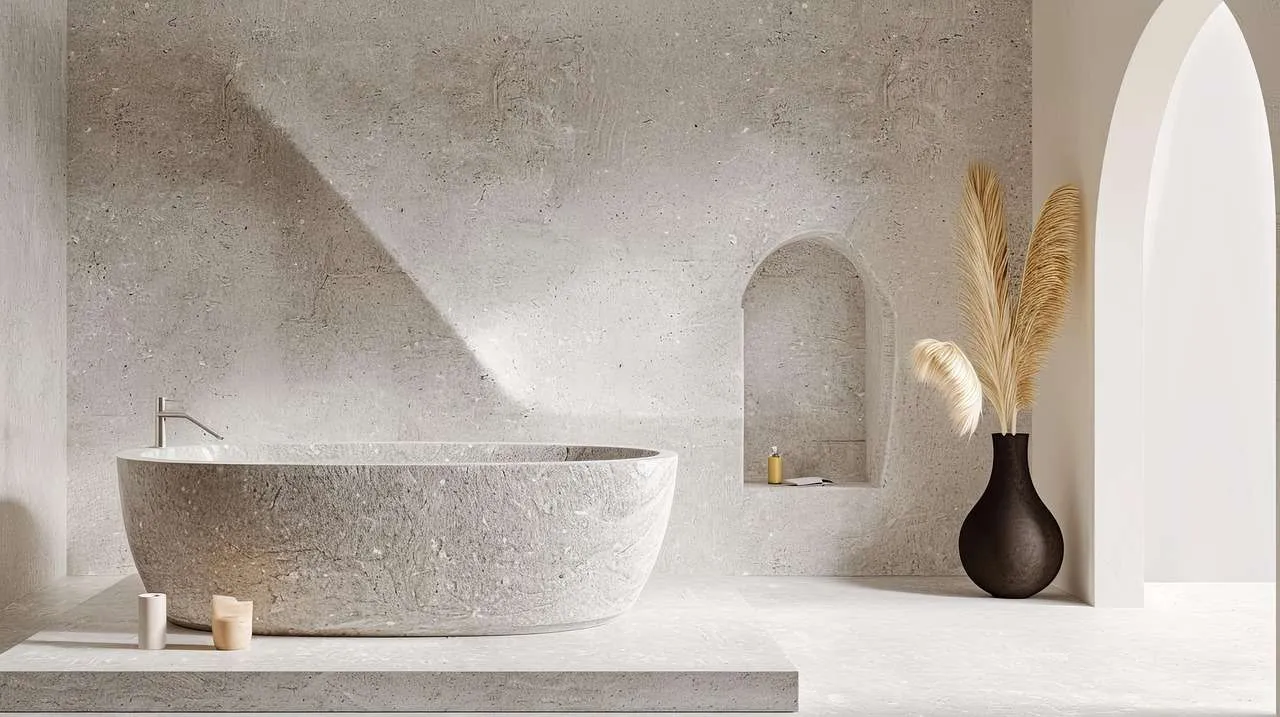
Natural stone tiles (marble, travertine, slate) offer luxury and unique veining but demand sealing and more maintenance to prevent staining or etching. Glass tiles reflect light and create a sense of space but can be slippery on floors and more expensive. Mosaic tiles provide flexibility for curves and niches, often used as decorative borders or shower floors.
How to choose the right tile
Start by evaluating the bathroom’s humidity levels, footprint, and cleaning routine. For floors in busy households, prioritize density and slip resistance (look for a PEI rating and appropriate skid resistance). For walls and backsplashes, you can favor aesthetics and ease of cleaning. Choose grout color that hides stains or contrasts intentionally to highlight the tile pattern. Consider tile size and layout: large tiles reduce grout lines, while small tiles enable curved surfaces and intricate patterns.
Installation considerations
Proper substrate, waterproofing, and grout choice are essential. Most bathrooms require a cement backer board or equivalent, followed by a waterproof membrane behind the tile. Allow tiles to acclimate in the room before cutting, then use the right thinset for the tile type and substrate. Grout selection matters: epoxy grout resists stains best but costs more and can be harder to work with; cementitious grout with proper sealing remains popular for its balance of price and performance. Finishing touches like caulking at transitions and control joints ensure long-term durability.
Maintenance and cleaning
Regular sweeping and a damp mop prevent grit from scratching surfaces. Use pH-neutral cleaners and avoid harsh acids on natural stone to preserve sealers. Reseal natural stone and grout periodically to maintain moisture resistance. Address mold and mildew promptly in showers, ensuring good ventilation and proper grout sealing.
Design ideas and patterns
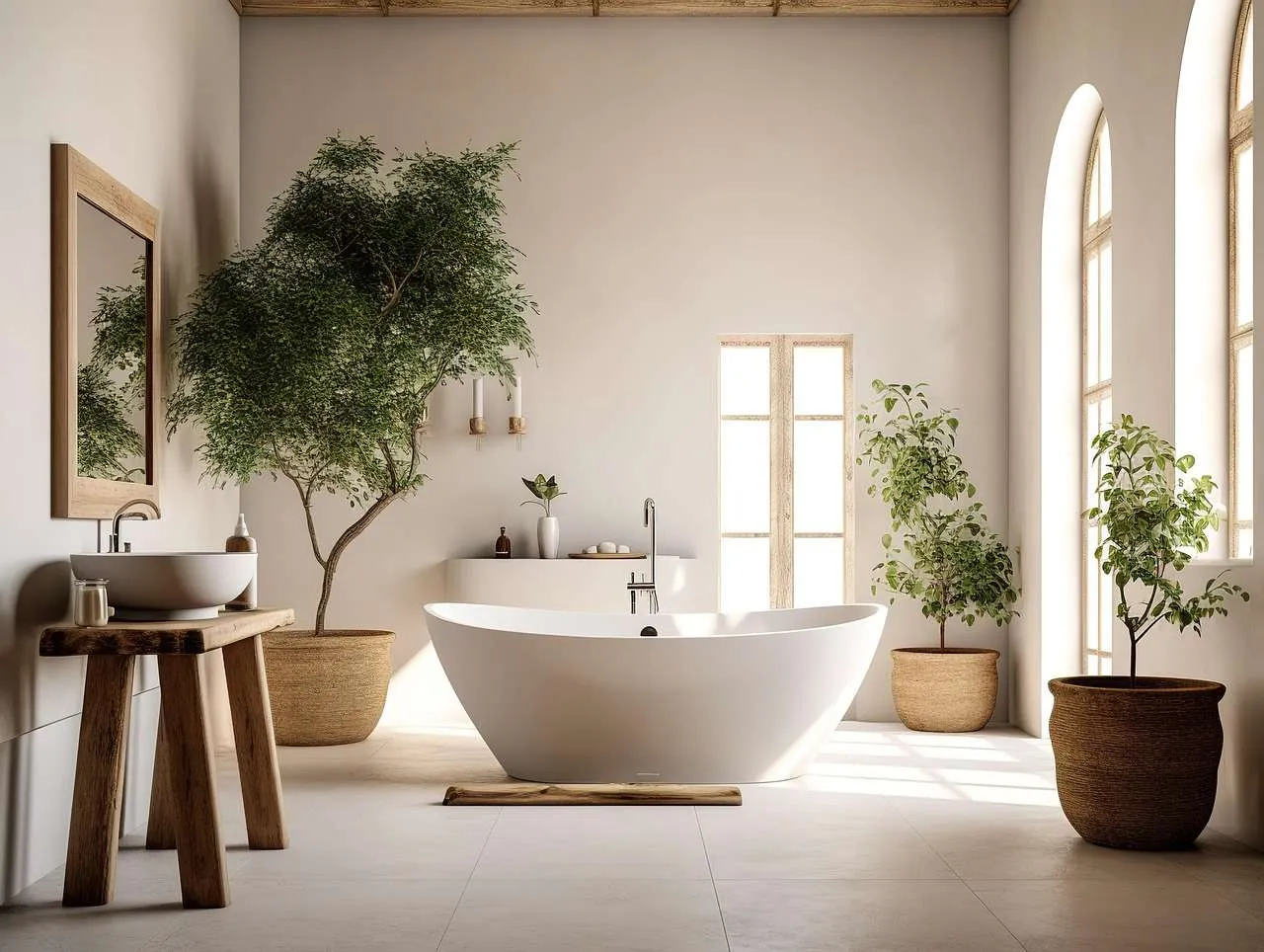
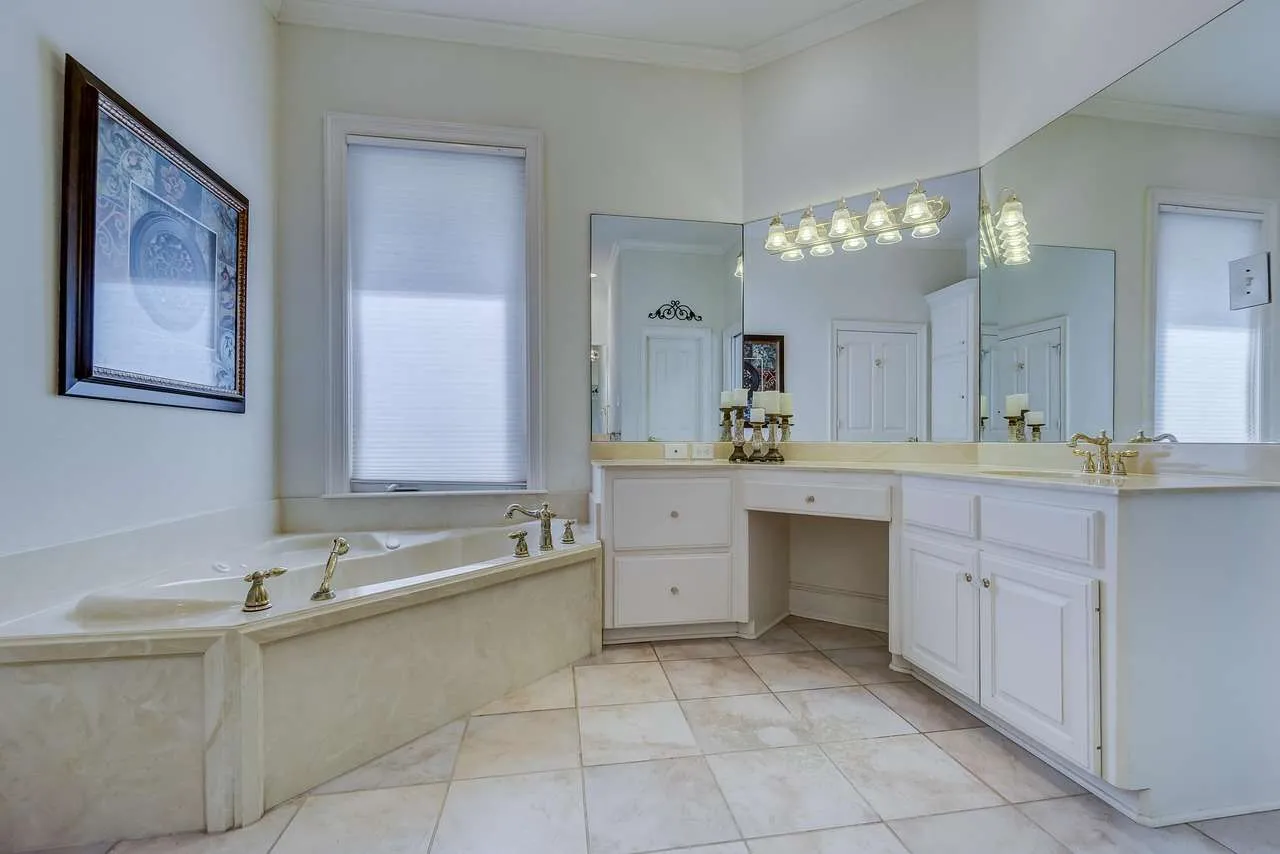
Tile can define zones in a small bathroom. Large-format porcelain floors paired with a lighter wall tile create a clean, contemporary look, while stacked or herringbone patterns add interest. Subtle color palettes like cool grays, warm creams, and soft blues coordinate with vanity and fixtures. Consider decorative mosaics as borders or niches to add personality without overwhelming the space.
Tile options at a glance
| Tile Type | Pros | Cons | Best Use |
|---|---|---|---|
| Porcelain | Very durable, low water absorption, easy to clean | Hard to cut; may require skilled installation | Floors and shower walls |
| Ceramic | Affordable, broad design options | More porous than porcelain | Walls, backsplashes, shower enclosures |
| Natural Stone | Elegant, unique veining | Sealing and maintenance required | Feature walls, floors with proper care |
| Glass | Reflects light, modern look | Slippery on floors; higher cost | Backsplashes, shower walls |
| Mosaic | Flexible patterns; great for curves | Grout lines require maintenance | Niches, borders, decorative accents |
To ensure EEAT, this guide reflects industry best practices: choosing materials based on moisture exposure, understanding installation requirements, and maintaining durability through proper cleaning and sealing. If you are unsure about a project’s scope or need precise product recommendations, consult licensed tile installers or fabricators who can assess your space and provide a formal estimate.
Conclusion, selecting bathroom tile means balancing moisture resistance, style, and upkeep. Porcelain offers durability; ceramic provides cost-effective options; natural stone delivers luxury with proper sealing. A thoughtful layout, color palette, and quality installation will keep your bathroom tile looking fresh for years to come.