Bathroom Tiles: Styles, Tips & Maintenance

Choosing bathroom tiles sets the tone for space, durability, and upkeep. This guide covers popular tile types, selection criteria, installation basics, and maintenance strategies to help you create a durable, stylish bathroom.
Why bathroom tiles matter
Tiles protect walls and floors from moisture, mold, and wear while offering a wide range of aesthetics. Proper tile choice reduces maintenance and increases home value. For EEAT, this guide relies on industry standards for slip resistance, porosity, and installation best practices, and it recommends consulting licensed professionals for complex projects.
Types of bathroom tiles
Ceramic tiles
Ceramic tiles are affordable, widely available, and easy to cut. They are made from clay and glazed for color and pattern. They are appropriate for walls and low-traffic floors and come in numerous shapes, sizes, and finishes. They absorb more water than porcelain, so sealing is not usually required on glazed surfaces, but unglazed ceramic still benefits from careful maintenance.
Porcelain tiles
Porcelain is a denser, low-porosity tile that resists moisture better, making it ideal for showers and wet zones. It can mimic stone or hardwood in appearance while offering higher durability and stain resistance. Range of sizes and finishes means you can create seamless floor-to-wall looks with minimal maintenance.
Natural stone tiles
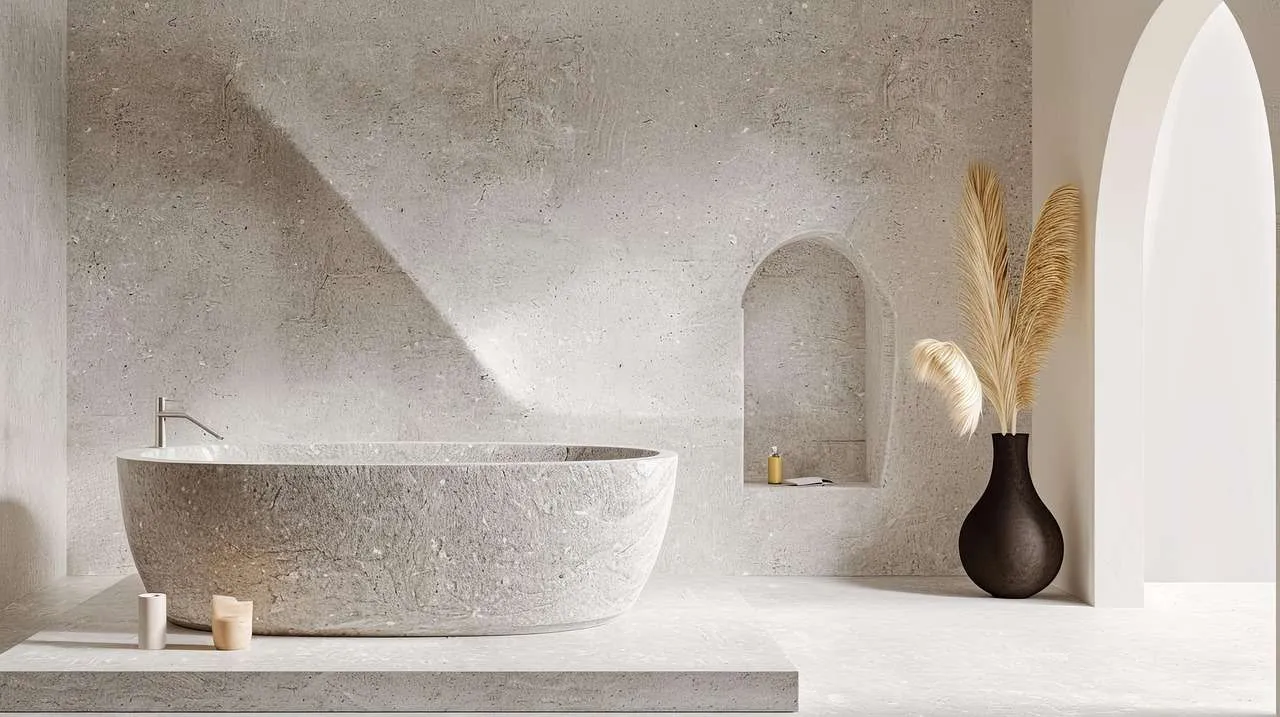
Natural stone like marble, travertine, or slate brings luxury and unique veining. These tiles require sealing to minimize water absorption and staining. They are excellent for aesthetics but demand ongoing maintenance and careful cleaning to preserve finish. Some stones are more durable for floors than others, so verify COF ratings and sealant recommendations.
Glass and ceramic blends
Glass tiles add reflection and color depth, often used as accents or backsplashes. They require a solid substrate and careful grout installation; they can be slippery when wet and show water spots, so matte or textured finishes are preferred for floors.
How to choose bathroom tiles
- Consider location: shower walls, shower floors, or bathroom floor. Wet areas demand low water absorption and slip resistance.
- Check slip resistance: Look for COF ratings (e.g., ≥ 0.42 for residential use; higher for wet areas).
- Choose finish and texture: Matte finishes hide water marks; gloss shows them. Textured surfaces are safer on floors.
- Size and layout: Large format tiles create a seamless look; small tiles offer design flexibility on curves and showers.
- Maintenance and sealing: Natural stone requires sealing; porcelain and ceramic are easier to clean with routine grout care.
Installation and maintenance tips
Work with a licensed tiler when possible to ensure proper substrate prep, waterproofing, and grout sealing. For DIY projects, prepare the substrate, use the right adhesive, and allow full curing before grouting. Regular cleaning with pH-balanced cleaners prevents grout discoloration. Use grout sealant on natural stone and unglazed tiles to reduce staining. Avoid acidic cleaners that can etch stone or glaze.
Tile type comparison
| Tile Type | Durability | Porosity | Slip Resistance | Approx. Price | Best For |
|---|---|---|---|---|---|
| Ceramic | Medium | Low to Medium | Variable (glazed options) | Low | Walls, light-traffic floors |
| Porcelain | High | Very low | Good to Excellent (textured finishes) | Medium | Shower surrounds, floors |
| Natural Stone | Varies (depends on stone) | High (porous stones) | Moderate to Good (with finish) | Medium to High | Luxury looks, baths and floors |
| Glass | Medium | Low | Low unless textured | Medium to High | Accents, backsplashes |
Expert tips for lasting results
To reinforce EEAT: verify product certifications (PEI ratings, COF for slip resistance), ensure proper waterproofing behind tiles in wet zones, and hire licensed contractors with good track records. Read manufacturer installation guides, request a written warranty, and document maintenance routines so future homeowners understand care requirements. For renovators, plan budgets for grout resealing every 1-2 years and stone sealing as recommended by the stone supplier.
Conclusion, by understanding tile types, application areas, and maintenance needs, homeowners can choose bathroom tiles that deliver long-lasting style with confidence. Prioritize substrate prep, appropriate tile selection for wet zones, and a maintenance plan to keep grout, finish, and sealants looking fresh for years to come.