Window Tint for Home: A Practical Guide
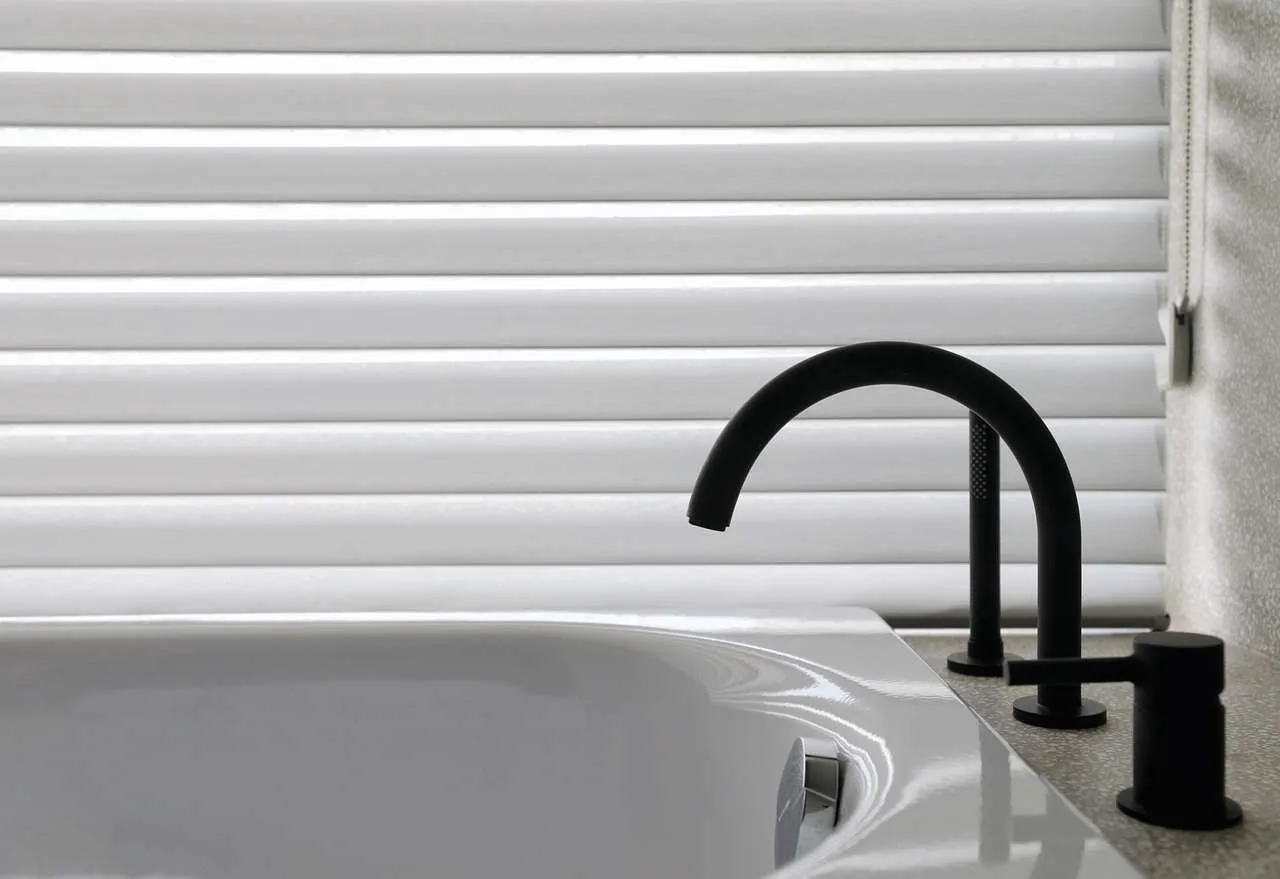
Window tint for home is a modern solution applied to interior glass to reduce heat, glare, and UV exposure while preserving natural light and visibility. Advanced films filter infrared radiation and help create a more comfortable living environment all year round. This guide explains how tint works, what it costs, and how to choose the right option for your house.
Benefits of window tint for home
Installing residential window film can lower cooling loads, reduce hot spots, and improve comfort in sunny rooms. UV-blocking films protect furnishings, flooring, and skin from sun damage, slowing fading of fabrics and art. Some films also increase safety by helping hold shattered glass in place during impact. In addition, tinting enhances privacy during the day without completely darkening interiors, especially with lighter or decorative options.
Types of window tint for home
Ceramic window tint
Ceramic films are non-conductive and metal-free, offering strong heat rejection, excellent visibility, and high UV protection without interfering with electronics or Wi‑Fi signals. They tend to cost more but are durable and optically clear, making them a popular choice for year‑round comfort.
Graphite and carbon-based tint
Graphite or carbon-based films provide solid heat reduction at a more accessible price than ceramic. They typically offer good glare control and decent UV protection, with a slightly darker appearance that can still look clear from indoors during the day.
Metalized or hybrid tint
Metallic films offer strong heat rejection and reflective properties. Some users notice a shimmer or slight color cast and, in rare cases, interference with certain devices. Modern hybrids reduce these issues while delivering good performance.
Dyed or standard tint
Dyed films are the most affordable option and provide basic privacy and glare reduction. They fade more quickly than other types and generally offer less UV protection, so they may require replacement sooner in high‑sun homes.
How to choose the right tint for your home
- Climate and orientation: South- and west-facing windows gain more heat, so higher heat rejection films can be beneficial.
- Light transmission vs privacy: Decide how much daylight you want to preserve and how private you need interiors to be.
- UV protection: Most films block 99%+ of UV rays, preserving upholstery and skin.
- Aesthetics and resale: Pick a shade that complements your home and complies with local rules.
- Warranty and installer credentials: Look for a documented warranty and work with a licensed installer for best results.
Installation options: professional vs DIY
Professional installation ensures bubble-free application, precise cutting, and proper edge sealing on multiple panes. The process includes surface cleaning, film measurement, squeegeeing to remove air, and final inspection. For DIY projects, follow manufacturer instructions closely, practice on a smaller panel, and be prepared to redo sections if air pockets form.
Maintenance and longevity
Clean tinted glass with non-abrasive, ammonia-free cleaners and soft microfiber cloths. Avoid rough scrubbing that can scratch the film. Quality window films typically last 10–20 years, depending on sun exposure, cleaning frequency, and product quality. Signs of deterioration include hazy areas, edge peeling, or bubbling, which warrant professional evaluation.
Comparison of tint options
| Feature | Ceramic | Graphite/Carbon | Metallic/Hybrid | Dyed |
|---|---|---|---|---|
| Heat rejection | Excellent | Good to High | Very High | Low to Moderate |
| UV protection | Very High | High | High | Moderate |
| Glare reduction | Excellent | Good | Good | Moderate |
| Impact on electronics | None | None | Potential | Minimal |
| Cost (approx.) | High | Medium-High | Medium | Low |
| Durability | Very High | High | High | Medium |
Note: Local regulations, HOA rules, and warranty terms can affect permissible film darkness and reflective properties. Always verify product certifications and request a written estimate that includes warranty coverage and maintenance guidance.
Summary: Window tint for home offers energy savings, UV protection, privacy, and safer glazing when chosen and installed properly. By understanding types, installation methods, and maintenance, homeowners can make informed decisions that improve comfort and value.